
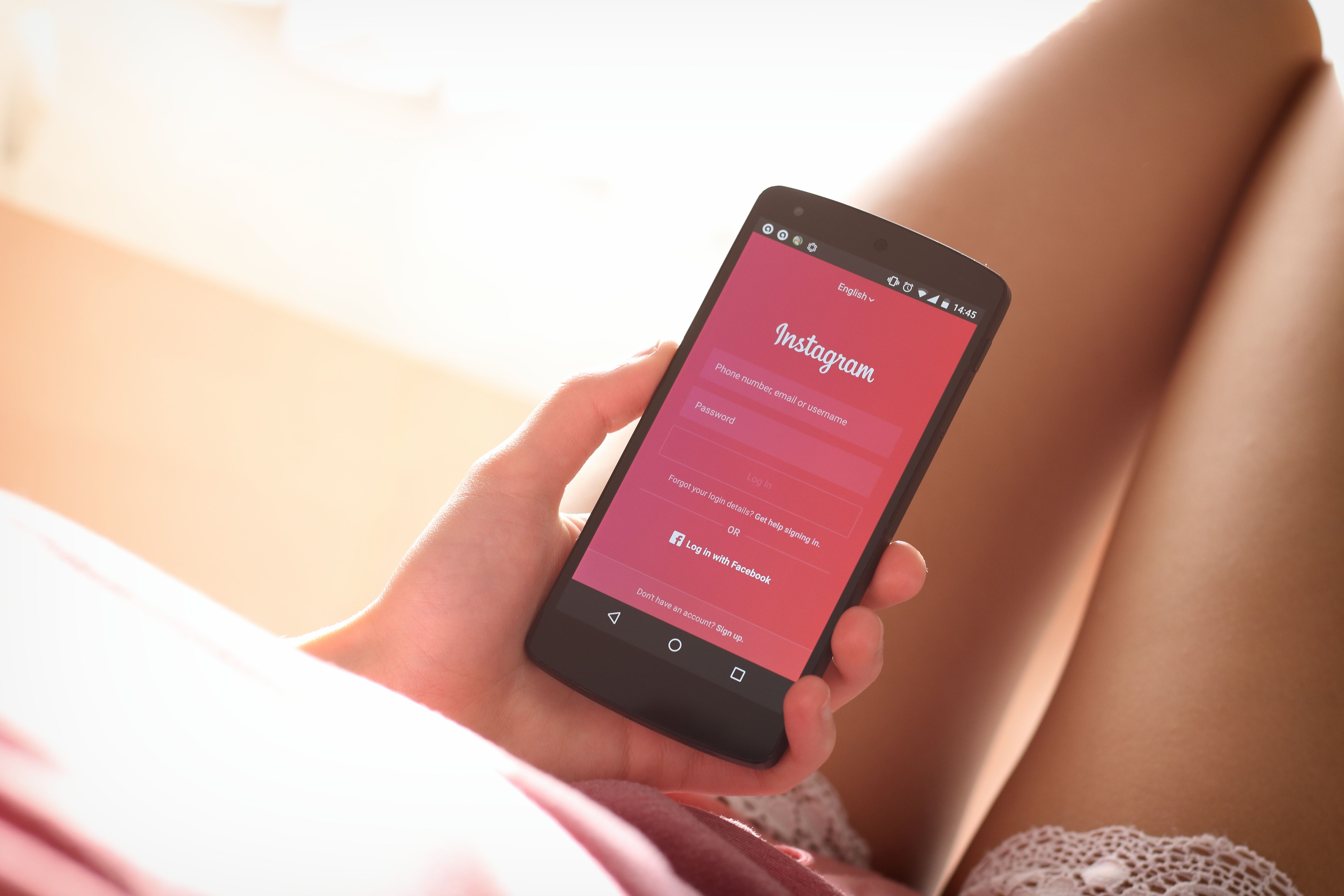
Instagram is the channel most online fitness coaches default to first and abandon last. They post daily, weekly, for years, and never see the corresponding bump in paying clients. Some assume the problem is content quality. Others blame the algorithm. The harder truth is that for most fitness coaches, Instagram isn't an acquisition channel at all. It's a validation layer.
This article walks through what the data actually shows about Instagram's conversion behavior, where it's earning its place in your stack and where it isn't, and what to do with the time you're currently spending feeding it.
How did Instagram become the default acquisition channel for fitness coaches?
Three things made Instagram the obvious choice during the pandemic-era boom in online coaching. It was visual, which suited a profession built on transformations and demonstrations. It was free to start, which suited solo operators with no marketing budget. And it produced meaningful organic reach in 2020, when posts routinely touched 10 to 15 percent of an account's followers.
That last point is what most coaches still haven't fully internalized. Instagram in 2020 was a different channel than Instagram in 2026. The cost has stayed flat (free). The time required has gone up (the algorithm prefers high-volume Reels content). And the return has collapsed. Average organic reach on Instagram today sits at 3 to 4 percent of followers, down 12 percent year over year.
The infrastructure looks the same. The economics have changed completely.
What does the math on Instagram-to-client conversion actually show?
Napolify's 2025 analysis of social platform conversion benchmarks put Instagram's average conversion rate at 0.7 to 1.9 percent across organic and paid campaigns. For comparison, Facebook ad conversion in the fitness industry sits at 14.29 percent, and the overall Facebook paid average lands at 8.95 percent.
Put another way: every 1,000 Instagram impressions translates, on average, to between 7 and 19 conversion events. A fitness coach with 5,000 followers posting weekly to single-digit organic reach is realistically driving 5 to 10 conversion-eligible touches per post.
For a service that costs $100 to $500+ per month and typically requires a discovery call before purchase, that volume of touches won't sustain a roster on its own.
Why does the algorithm reward content that doesn't drive client conversion?
This is the part most coaches resist. Instagram's algorithm optimizes for engagement (saves, shares, time on platform), not conversion. The content that performs best on the platform is content that keeps people on the platform: punchy hooks, dance trends, format-friendly Reels, broad-appeal information.
Content that converts paying coaching clients is the opposite. It's specific, professional, longer-form, and often boring to people who aren't in your target market. It's content that makes the right person say "I need to work with this coach" and makes everyone else scroll past.
When a coach prioritizes algorithm-friendly content to grow reach, they usually end up with a larger but worse-fitting audience. The follower count goes up. The DM-to-client conversion goes down. The work feels productive and produces nothing.
When does Instagram actually work as an acquisition channel?
Instagram does work for some fitness coaches. The pattern is consistent enough to identify.
It works for coaches with a tight niche and a specific angle that's underrepresented on the platform (perimenopause training, recovery-from-injury programming, prep for specific events). Specificity drives discovery and creates a tight follower-to-conversion path.
It works for coaches running paid Instagram ads with a tested funnel and unit economics that support the $20.70 median CPM and rising CPA the platform's health and wellness category now commands.
It works as a validation layer for coaches whose primary acquisition channels are elsewhere (referrals, partnerships, matching platforms). When a prospect hears about you from another source, your Instagram is where they check whether you're credible before they convert. That use case is real and worth investing in modestly.
What it does not work as: a primary acquisition engine for a generalist fitness coach posting workout demonstrations and motivational quotes. That coach can post for three years and not break past the 5-to-15 client ceiling.
Call this distinction Reach vs Recruitment. Instagram is reach infrastructure. It puts your existence in front of people. Recruitment infrastructure is what converts those people into paying clients, and it usually lives somewhere else: in a referral system, a content-driven SEO funnel, a partnership channel, a matching platform, or a paid ad funnel with worked-out economics.
What should fitness coaches do with the time they're currently spending on Instagram?
The honest answer depends on which of the three working uses you're trying to serve.
If you're using Instagram as validation, post once or twice a week with credibility-forward content (client outcomes, professional context, considered POV) and stop spending more than three hours a week on it. That's enough to validate when a prospect arrives from elsewhere.
If you're using Instagram for niche discovery, double down on specificity. Stop posting generic content. The narrower your topic, the better your follower-to-client conversion.
If you're using Instagram as your primary acquisition channel and you have fewer than 15 clients, the channel isn't broken. The strategy is. Take three hours per week from your Instagram routine and apply it to building a second channel: targeted partnership outreach, a referral system, or an SEO content investment. The compounding starts immediately, even if the visible result takes months.
The cornerstone article on the six acquisition channels available to fitness coaches in 2026 maps out which channel to add and when.
